Mining safety in Mackay and the Bowen Basin: exclusion zone detection and blind spot alerts with Flagman AI safety cameras
Mining safety in Mackay: lessons from two 2026 Central Queensland coal mine alerts, and how Flagman adds exclusion zone detection in Bowen Basin surface areas.
In brief
Mining safety in Mackay and the Bowen Basin depends on keeping people out of exclusion zones and mobile plant blind spots. Flagman AI safety cameras, delivered by Sharktech Global, add exclusion zone detection and alerts in surface areas such as workshops, laydown yards and stockpile roads.
- Problem: Workers step off plant and walk into drop zones, line of fire areas and blind spots on surface areas of Queensland mines.
- Requirement: Queensland coal mining safety laws expect sites to identify no-go zones, manage blind spots and audit traffic management.
- Gap: Painted lines and signs do not tell anyone when a person is actually inside a zone, especially when they work alone.
- Outcome: Camera-based exclusion zone detection gives a time-stamped record and a live alert on the surface, alongside existing controls.
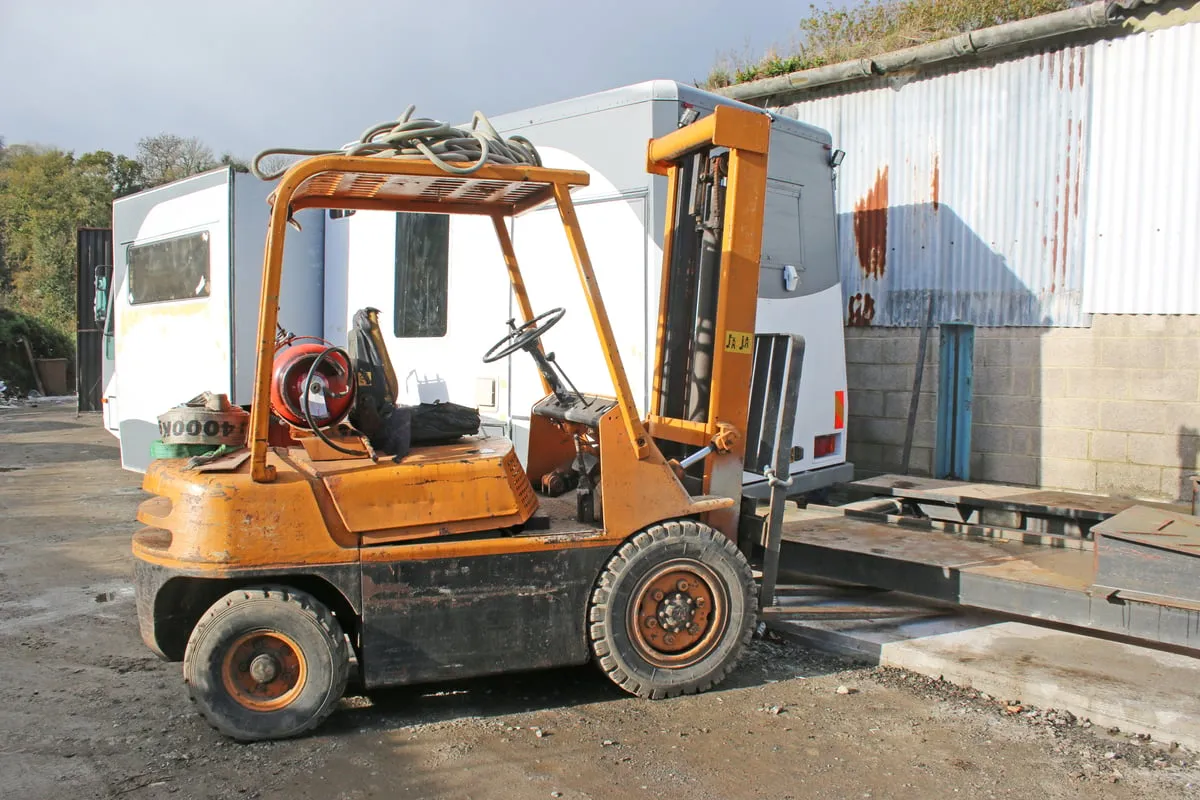
It is early in a shift at a surface workshop in the Bowen Basin. A forklift operator stops near a scrap bin, climbs down and walks over for a quick look. Nobody else is around. Nothing on site marks the ground under the bin as a place you must not stand.
Across Central Queensland, stories like this start the same way. The plant is familiar, the task is routine, and the person steps into a space they did not see as dangerous. Mining safety in Mackay is often decided in those few seconds after someone gets off a machine.
Mackay’s industrial base
Mining shapes the Mackay workforce. In the 2021 Census, 9.5% of employed residents of the Mackay local government area worked in coal mining, and 12.5% worked as machinery operators and drivers (ABS 2021 QuickStats). That is a large share of people who spend their day on or near mobile plant, including fly in, drive in and residential crews heading out to the Bowen Basin. When so many locals operate or work beside heavy equipment, exclusion zones and mobile plant blind spot detection are not abstract issues. They decide who comes home uninjured.
Incident study: two Central Queensland coal mine alerts in 2026
This is an incident study from a regulator report. Flagman was not involved. Both events come from Resources Safety and Health Queensland coal inspectorate alerts.
Tipping scrap bin, surface of an underground coal mine. A safety alert issued in February 2026 describes a worker using a forklift to empty a scrap metal tippler bin into a larger skip. The worker got out and entered the bin’s exclusion zone to check there was room in the skip. The bin’s pivot released and the bin and scrap fell onto the worker, causing a leg injury. The worker was alone and was found quickly by colleagues. The regulator said the incident could have been fatal. It found no no-go or exclusion zones had been identified for the bins, and training did not identify drop zones. It asked Senior Site Executives to review exclusion zone, drop zone and line of fire risks, check plant is fit for purpose, and set protocols for lone and isolated work.
Crush injury on a box cut ramp. On 20 January 2026, at an underground coal mine in Central Queensland, a skid steer loader overheated on the box cut ramp. The operator got out to start cooling it. A load haul dump machine travelling up the same ramp, with a large implement attached that obscured the operator’s vision, struck the worker and briefly pinned them between the two machines. The worker suffered serious crush injuries. The regulator asked sites to review no-go zones for all plant, check blind spots with and without loads, audit traffic management where loads block the driver’s view, and make breakdown kits practical and visible.
Where Flagman fits, and where it does not
Flagman uses AI safety cameras to detect people, vehicles and PPE in video. Processing runs on site on the Flagman Neo edge device, with no cloud needed. In Queensland mines it is suited to surface areas only.
- Exclusion zone detection around fixed hazards: virtual zones drawn around tippler bins, skip bays or drop zones can raise an alert when a person enters while plant is working.
- Lone worker visibility: a person detected inside a no-go zone creates a time-stamped event on the central dashboard, so a supervisor can see it and follow up.
- Surface traffic areas: on surface haul roads near workshops, cameras can detect people near mobile plant. Relay outputs can drive beacons or sirens, and a slow or stop signal is possible only where the machine’s controls accept an external signal.
- Evidence for audits: event logs show how often people enter zones, which supports the traffic management reviews the regulator asked for.
Flagman could not have fixed the root causes in these alerts. It cannot test a bin’s pivot, replace illegible placards or make forklift tines fit. It is not certified for underground coal, so it has no place in underground roadways, and any use near a portal or box cut must stay in areas the site has assessed as suitable surface locations. It does not replace operator visibility controls, proximity detection or traffic segregation on mobile plant.
Limitations
- Flagman is not certified for underground coal mines or for hazardous or explosive atmospheres.
- It cannot detect mechanical faults such as a failing pivot, worn pins or overloaded plant.
- Detection depends on camera line of sight, lighting, dust, rain and lens cleanliness. Bowen Basin dust needs a cleaning routine.
- It is not a certified collision avoidance or proximity detection system and must not replace one on haul trucks or other mobile plant.
- It does not replace isolation, segregation, guarding or a lone worker system.
- Consult workers and their representatives before installing cameras, and check your state’s workplace surveillance rules.
A practical plan for Mackay sites
- Walk your surface areas and list every tipping bin, drop zone and line of fire point. Mark each as a no-go zone in procedures and training.
- Review blind spots for every item of mobile plant with and without loads, as the regulator asked.
- Check your lone worker protocol covers surface workshops and yards, not only remote tasks.
- Pick two or three surface zones with frequent foot traffic and plan a short camera trial, using our guide to choosing a pedestrian detection system.
- Agree alert routes with supervisors and crews. Decide who responds to a zone entry and how fast.
- Review event data weekly and feed it into traffic management audits and toolbox talks.
- Bring contractor crews into the same zone rules. Our post on contractor safety and restricted zone detection covers this.
Predictive maintenance: plant that fails in the line of fire
Both alerts involve equipment condition. A scrap bin with no testing or maintenance schedule, and a skid steer that overheated and forced its operator onto a live ramp. When plant fails unexpectedly, people get off machines in places they would never normally stand. Predictive maintenance in Mackay workshops is a safety control as much as a cost control. Condition checks on pivots, hydraulics and cooling systems reduce the moments that put people into exclusion zones.
Sharktech Global builds Business Intelligence dashboards that bring maintenance, downtime and safety data together, including Flagman events. A site can see whether zone entries cluster around breakdowns or particular plant, which helps WHS compliance in Queensland and supports better predictive maintenance in Mackay operations.
Flagman in Australia: delivered by Sharktech Global
Flagman Australia is delivered and supported by Sharktech Global, the exclusive Australian and New Zealand delivery partner for Perleybrook Labs, the developer of Flagman. Sharktech, based in Liverpool, New South Wales, assesses sites, installs and integrates Flagman with cameras and machine controls, and provides local business-hours support. Flagman works with ONVIF IP, USB and GMSL cameras, and the Flagman Neo device is fanless, IP69K rated and runs from minus 20 to plus 80 degrees Celsius. Learn more about Sharktech’s mining technology services.
The outcome you can measure
- Number of people detected inside surface no-go zones per week, before and after changes.
- Zone entries during lone working periods.
- Time from alert to supervisor response.
- Traffic management audit actions closed using event evidence.
- Breakdowns linked to zone entries, tracked on one dashboard.
Key takeaways
- Mining safety in Mackay depends on clear no-go zones and blind spot controls, as recent Central Queensland alerts show.
- Exclusion zone detection in the Bowen Basin adds visibility on the surface but does not fix faulty plant.
- AI safety cameras in Queensland mines belong in surface areas only, never underground coal.
- Pair camera data with maintenance data to support WHS compliance in Queensland.
Next step
Request a Flagman safety assessment for your Mackay site, or call Sharktech Global on 0468 017 373.
Sources: Resources Safety and Health Queensland, Coal mine worker injured by forklift tipping bin; Resources Safety and Health Queensland, Worker suffers crush injuries after incident at coal mine; ABS 2021 Census QuickStats, Mackay LGA. This article is general information only and is not legal advice.