Who Is Still on Site? Emergency Mustering and People Counting at NSW Mines with Flagman
Emergency mustering at NSW mines depends on knowing who is on site. See what the law requires and how Flagman people counting adds live headcounts at muster points.
In brief
- Problem: in a mine emergency, the first hard question is who is still on site and where. Paper sign-on sheets and tag boards are often out of date at the exact moment they are needed.
- Requirement: in New South Wales, every mine must have an emergency plan that includes a system enabling all persons at the mine to be promptly located, and emergency procedures must be tested.
- Solution: Flagman people counting and fire and smoke detection run on site cameras to give a live count of people in defined zones and at muster points, and an earlier visual alert when smoke appears.
- Outcome: faster, evidence-backed headcounts during drills and real events, and time-stamped records to review against the emergency plan.
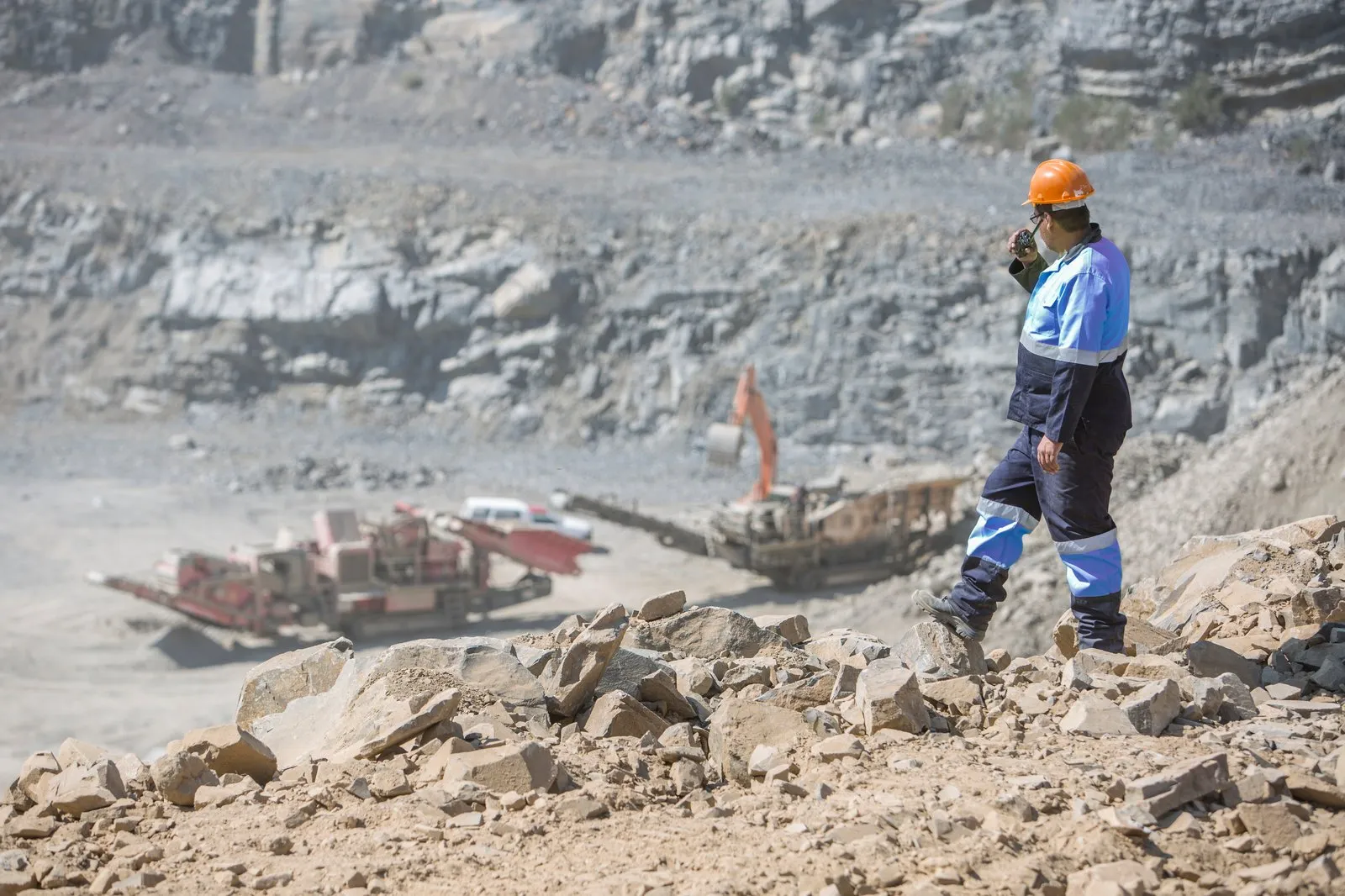
It is late on a night shift. A camera picks up smoke. Within minutes an emergency is declared and everyone is told to evacuate. Now the control room has one job above all others: account for every person on site, quickly and accurately.
That is close to what happened at a Broken Hill mine in January 2025. The lessons apply to every NSW mine, quarry and processing plant, including surface operations.
The problem: knowing who is still on site when it matters most
On 12 January 2025, a fire started in the haulage shaft at Perilya’s Southern Operations in Broken Hill, about 1,000 metres below the surface. According to the NSW Resources Regulator’s causal investigation report, smoke was sighted on CCTV at 11:34 pm and an emergency was declared four minutes later. Forty-six workers were evacuated. No injuries were reported, but the regulator found that 5 workers remained underground for several hours in a fresh air base.
The report also found that night shift had seen smoke and charring around 9 pm, yet the alarm was not raised until 11:38 pm. It noted that evacuation was delayed in part by perceived concerns about the consequences of sounding an alarm. The regulator’s recommendations include regular review of the emergency plan, better notifications, post-evacuation debriefs and annual mock exercises.
Emergency preparedness gaps are not limited to underground mines. In a 2022 compliance program covering 28 NSW quarries, the Resources Regulator issued 29 statutory notices. It found that emergency procedures were not tested regularly, that workers lacked training in site emergency procedures, and that emergency equipment was not always in working order, inspected or maintained.
The requirement: what NSW law expects
Under the NSW Work Health and Safety Regulation, regulation 43 requires an emergency plan that provides for emergency procedures, including evacuation, and for testing of those procedures, including how often they are tested.
Mines carry more specific duties. The emergency plan is a principal control plan under the Work Health and Safety (Mines and Petroleum Sites) Regulation 2022. Section 91 requires the plan to include a system that enables all persons at the mine to be promptly located, and, for mines other than coal mines, a record of all persons underground at any given time. Schedule 7 sets out further matters, including the maximum number of persons likely to be present on a normal working day.
The NSW code of practice for emergency planning for mines (version 2, May 2025) is direct: a mine operator must know who is at a mine at any given time. It accepts that small operations may use a simple sign-on sheet, while complex mines need systems that can locate people in a changing environment, from paper sign-in forms through to electronic tracking.
Why existing controls leave a gap
Sign-on sheets, tag boards and access cards all record intent: who said they arrived and who said they left. They rarely confirm reality at the moment of an alarm.
- Workers forget to sign out, or move between areas without recording it.
- Contractors and visitors arrive through different gates and are tracked in different systems.
- At the muster point, wardens count heads by hand in noise, smoke, darkness or rain, then reconcile against a list that may already be wrong.
- After a drill, there is little objective data on how long the muster actually took, or which areas cleared last.
The solution: how Flagman supports emergency mustering and people counting
Flagman is an AI vision platform that runs on site, on edge hardware, using compatible IP and other cameras. It needs no cloud or internet connection. Three capabilities support emergency mustering.
- People counting at entries, zones and muster points. Flagman counts people crossing defined lines and present in defined zones, such as a processing plant, a workshop, a portal entry or an assembly area. During an evacuation, the control room can see the live count at each muster point and in each zone that should be empty.
- Fire and smoke detection. Flagman can raise a visual alert when its models detect smoke or flame in a camera’s field of view, in areas such as workshops, conveyor transfer points, fuel bays and stores.
- Restricted zone and access alerts. Flagman can alert when a person enters an area that should be clear, including during an evacuation, and integrate with existing alarms, relays and PLCs.
Every event is logged with time-stamped video and shown on a central dashboard. After a drill, the site has an objective record of how long each zone took to clear and when each muster point reached its expected count.
For more on how vision-based fire alerts work in practice, see our article on fire and smoke detection with AI. For managing visitors and contractors who do not know the site, see contractor safety and restricted zone detection on mine sites.
Limitations: where Flagman cannot help
- A count is not a name. People counting tells you how many, not who. Identifying a missing person still depends on your sign-on, tag board, access control or personnel tracking system. Flagman complements that system. It does not replace it.
- Cameras only see what they cover. Areas without camera coverage, heavy smoke or obstructed views will reduce what Flagman can count or detect.
- Not for explosive atmospheres. Flagman does not hold hazardous area certification and must not be used in underground coal mines or other explosive atmospheres.
- Not a certified fire detection system. Vision-based smoke alerts add early warning. They do not replace fire detection, suppression, gas monitoring, self-rescuers or refuge arrangements required by your plan.
- Privacy obligations apply. In NSW, camera surveillance of workers requires notice under the Workplace Surveillance Act 2005. Default deployments use people detection, not facial recognition.
Predictive maintenance: when plant condition becomes an emergency
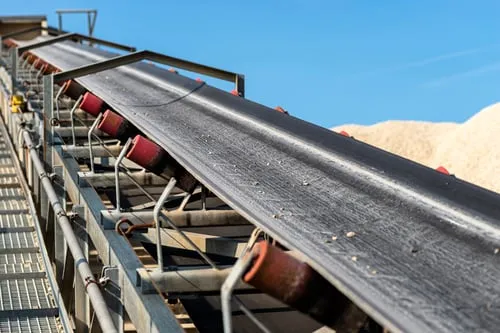
Many mine fires and evacuations start with plant: an overheating conveyor bearing, a failing hydraulic hose on mobile equipment, a worn electrical connection. Equipment condition is often the earliest signal of an emergency, well before smoke is visible. The Broken Hill investigation found no fire watch or thermal monitoring was used after the foam was placed.
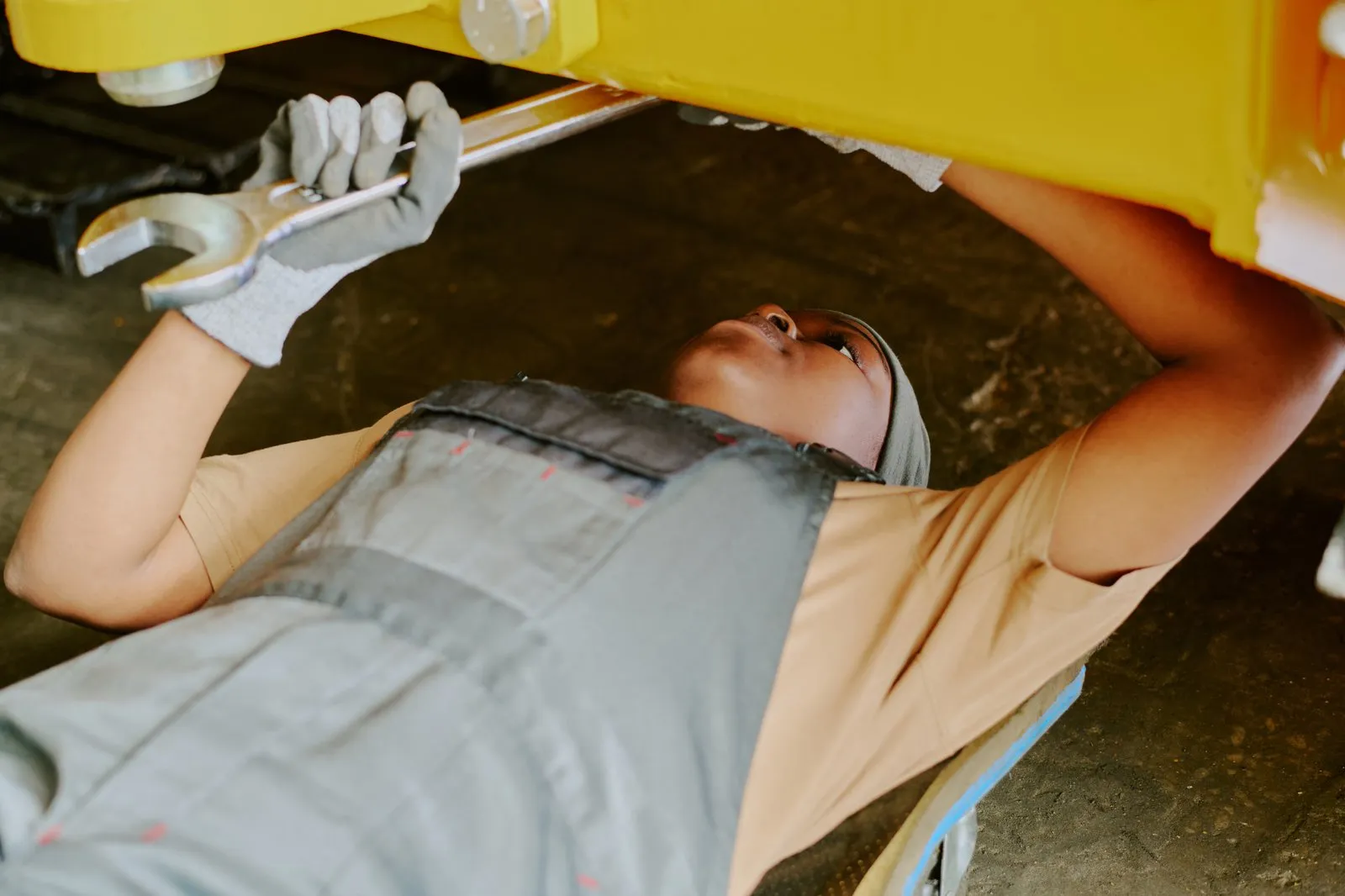
Emergency equipment needs the same attention. The quarry program found extinguishers, alarms and other emergency equipment were not always inspected or maintained. Condition monitoring and planned maintenance on both production plant and emergency equipment reduce the chance that an emergency starts, and the chance that the response fails.
Sharktech Global builds Business Intelligence dashboards that bring maintenance, downtime and safety data together, including Flagman events. A site can see overdue fire equipment inspections, repeated conveyor stoppages and smoke alerts from the same area in one place.
A practical plan for NSW mine sites
- Map your muster logic. List every zone, entry point and assembly area in your emergency plan, and the expected population of each on a normal shift.
- Check camera coverage. Confirm which entries, zones and muster points existing cameras already see, and where new cameras are needed.
- Connect the count to the record. Decide how live counts will be reconciled with sign-on, tag board or access control data during an event.
- Consult and notify. Consult workers and health and safety representatives, and give written notice of camera surveillance.
- Run a measured drill. Use Flagman counts and time stamps to record how long each zone took to clear, then review the result against your plan.
- Review at least annually. Feed drill data into the emergency plan review and your next round of training.
The outcome you can measure
- Time from alarm to full muster count, recorded at every drill.
- Zones that cleared last, and why, with video evidence.
- People detected in areas that should be empty during an evacuation.
- Smoke and flame alerts logged by location and time, linked to maintenance history.
- A documented record of emergency plan testing for boards and the regulator.
Flagman in Australia: local delivery by Sharktech Global
Sharktech Global, based in Liverpool, New South Wales, is the exclusive Australian and New Zealand delivery partner for Perleybrook Labs, which designs and manufactures Flagman. Sharktech Global assesses sites, installs and integrates Flagman with existing cameras and systems, and provides local business-hours support. Learn more about Sharktech Global’s services for mining operations.
Key takeaways
- NSW mines must have a system that enables all persons at the mine to be promptly located.
- Sign-on records show intent. Live counts show reality. You need both.
- Flagman people counting and smoke detection add live, recorded evidence to drills and real events.
Next step
Request a Flagman safety assessment or call Sharktech Global on 0468 017 373.
Sources: NSW Resources Regulator, Causal investigation report: polyurethane foam fire at metalliferous underground mine; NSW Resources Regulator, Safety video highlights foam fire risks (4 May 2026); NSW Resources Regulator, Compliance priority report: emergency preparedness, small mines; NSW Resources Regulator, NSW code of practice: Emergency planning for mines; NSW Resources Regulator, Emergency planning; SafeWork NSW, Emergency plans. This article is general information only and is not legal advice. Seek advice specific to your site and obligations.