Conveyor safety in Gladstone: preventing entanglement in alumina, aluminium and port bulk handling with Flagman
Conveyor safety in Gladstone: lessons from a WA stacker entanglement for alumina, aluminium and port bulk handling, and where Flagman conveyor zones fit.
In brief
Conveyor safety in Gladstone matters across alumina refining, aluminium smelting, the port and bulk materials handling. Flagman AI safety cameras, delivered by Sharktech Global, add conveyor zone detection that alerts when people reach or step near running belts, supporting guarding and isolation for conveyor entanglement prevention.
- Problem: Workers clear spillage and build-up near tail drums and nip points while conveyors are still running.
- Requirement: Regulators expect guarding on access points and isolation that de-energises plant before cleaning.
- Gap: Missing guards and quick clean-ups can go unnoticed for months.
- Outcome: Camera alerts and event logs show when people enter conveyor zones on running plant, so gaps are found and fixed.
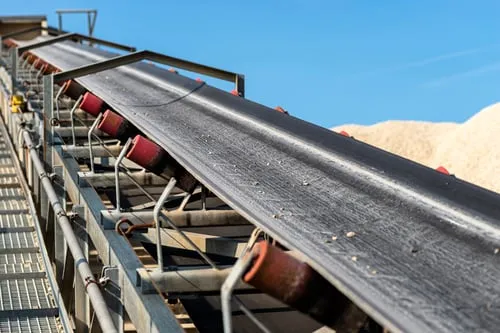
Gladstone runs on conveyors. Bauxite, alumina, coal and other bulk products move from ship to stockpile to refinery on kilometres of belt. Most of those belts run day and night.
That means a steady stream of small jobs near moving parts. Clearing carry-back, adjusting tracking, scraping wet material off a frame. Each job feels too quick to isolate for. Conveyor entanglement prevention is about breaking that habit before a sleeve or glove gets pulled in.
Gladstone’s industrial base
Gladstone has one of the most concentrated heavy industry workforces in Queensland. In the 2021 Census, 12.2% of employed residents of the Gladstone local government area worked as machinery operators and drivers, 5.7% worked in aluminium smelting and 3.6% in alumina production (ABS 2021 QuickStats). The Gladstone Ports Corporation fact sheet describes an annual throughput of more than 119 million tonnes, with major products including coal, bauxite, alumina, aluminium, cement and LNG (Gladstone Ports Corporation, 2024). Nearly all of that material touches a conveyor, so bulk materials handling safety is a daily concern for local crews.
Incident study: entanglement at a mobile stacker conveyor in WA
This is an incident study from a regulator report. Flagman was not involved. The event happened at a gold mine about 20 km west of Kalgoorlie, Western Australia. We present it as a lesson for Gladstone conveyors, not a local event.
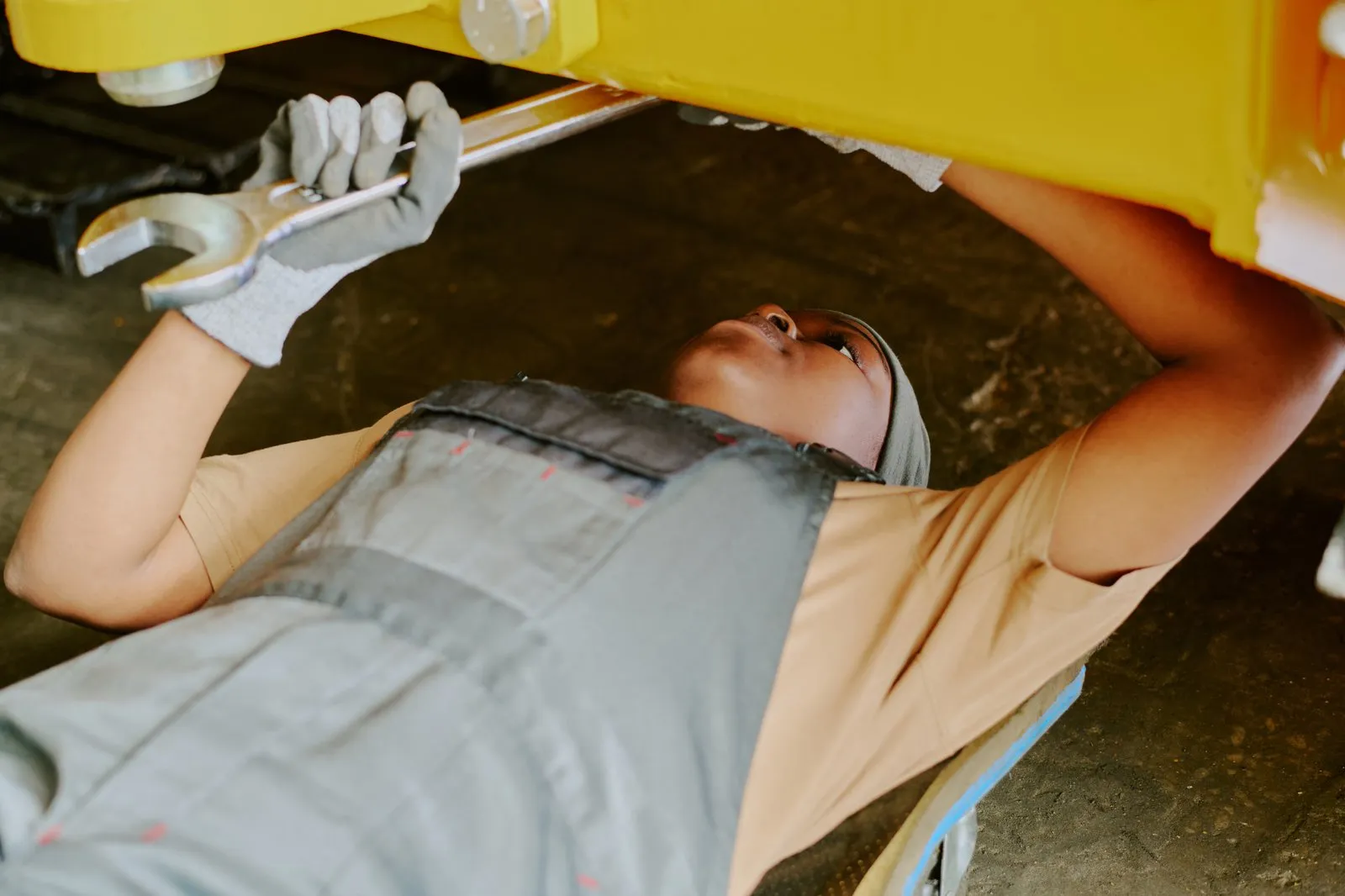
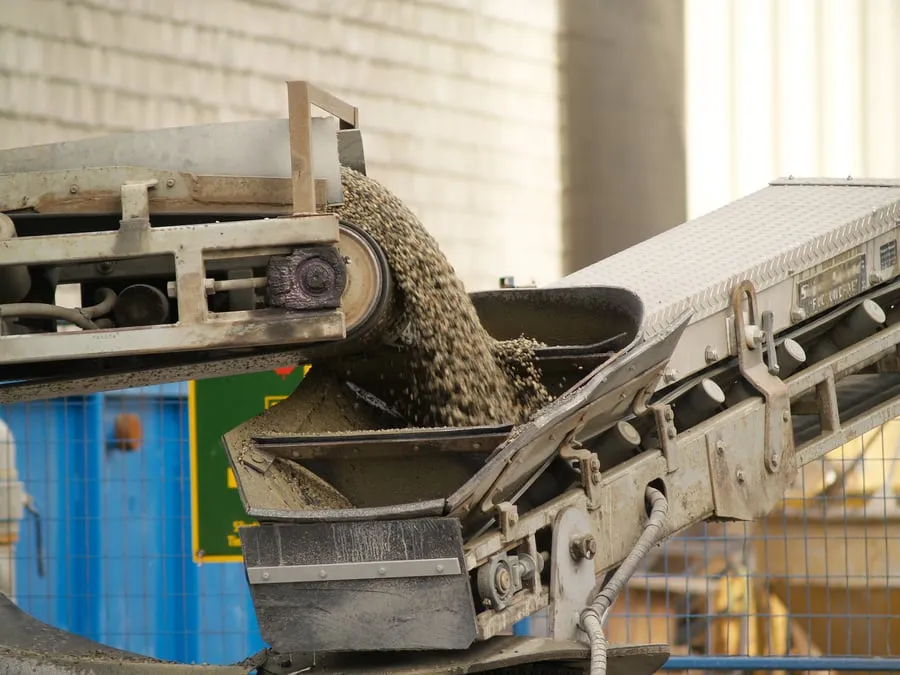
On 17 April 2022, a heavy diesel mechanic was maintaining a mobile stacker that moved fine tailings to an underground paste plant. While the stacker was running, he reached through an unguarded side access port to clear material from the belt adjusters. His sleeve caught at a nip point on the tail drum and he became entangled. A nearby plant operator saw him signal and shut the stacker down. Rescuers cut the belt to free him. He suffered a serious crush injury and a fractured left humerus.
According to WorkSafe WA, the guards around the side access port and tail drum roller had been absent since May 2021, when the stacker was commissioned at the site. The clearing task had increased to about once a day. No safe work procedure or job hazard analysis covered it. The contractor employer was fined $750,000 in December 2025. The mine operator was fined $200,000 in a separate case published in August 2026; the prosecution did not allege its failure caused the injuries. WorkSafe said isolating the stacker before access was a reasonably practicable, low-cost control, and the WA code of practice advises de-energising plant before cleaning. The WorkSafe WA Commissioner said conveyor isolation failures remain “far too frequent.”
Where Flagman fits, and where it does not
Flagman detects people, vehicles and PPE in camera video, processing on site on the Flagman Neo edge device with no cloud needed.
- Conveyor zones: virtual zones around tail drums, transfer points and access ports can raise an alert when a person enters while the belt is running.
- Hand and finger no hand zone: where a camera can see an access point clearly, a no hand zone can flag a hand reaching towards it.
- Signals to plant: relay outputs and PLC integration over Modbus and PROFINET can trigger a warning, or send a slow or stop signal only where the machine’s controls accept an external signal.
- Finding hidden habits: time-stamped events reveal repeated clean-ups on running plant, the kind of daily task that grew unnoticed in this incident.
Flagman cannot replace a missing guard or an isolation procedure. The fix in this incident was guarding the access port and tail drum and isolating before cleaning. A camera alert after a hand is already near a nip point may be too late. Flagman is a detection layer that helps show where guarding and isolation are being bypassed. It is never a substitute for them.
Limitations
- Flagman does not guard, isolate or lock out plant. Those controls stay first.
- A detection and stop signal is not a safety rated interlock, and stopping distances on large belts can be long.
- Detection depends on line of sight, lighting, dust, spray and steam, all common around refineries and wharves.
- It is not certified for hazardous areas or underground coal.
- Coverage is limited to where cameras are placed. Long overland conveyors need targeted zones, not full coverage.
- Consult workers before installing cameras and check your state’s workplace surveillance rules.
A practical plan for Gladstone sites
- Audit every conveyor access port, tail drum and transfer point for missing or removed guards. Replace them first.
- List the cleaning and adjustment tasks done near belts and how often. Write a safe work procedure for each.
- Make isolation the rule before any cleaning, using our lockout and isolation guide.
- Agree between operators and contractors who owns each control, since the regulator stressed coordination.
- Trial camera conveyor zones at the two or three points with most spillage. Our conveyor entanglement post explains zone design.
- Route alerts to control rooms and supervisors, and test any external stop signal with the plant’s control engineers.
- Review events monthly and remove the causes of repeat clean-ups.
Predictive maintenance: less spillage, fewer reasons to reach in
People reach into running conveyors because something needs clearing. Mistracking belts, worn scrapers, failing idlers and blocked chutes create spillage and build-up. In the WA incident the clearing task had risen to about once a day. Predictive maintenance in Gladstone, through belt alignment checks, scraper wear tracking and idler monitoring, cuts the number of times anyone needs to go near a nip point.
Sharktech Global builds Business Intelligence dashboards that bring maintenance, downtime and safety data together, including Flagman events. A site can see which conveyors generate the most zone entries and match them with maintenance history. That supports WHS compliance in Queensland and makes predictive maintenance in Gladstone a direct safety tool.
Flagman in Australia: delivered by Sharktech Global
Flagman Australia is delivered and supported by Sharktech Global, the exclusive Australian and New Zealand delivery partner for Perleybrook Labs, the developer of Flagman. Sharktech, based in Liverpool, New South Wales, assesses sites, installs and integrates Flagman with cameras and machine controls, and provides local business-hours support. Flagman works with ONVIF IP, USB and GMSL cameras, and the Flagman Neo device is fanless, IP69K rated and runs from minus 20 to plus 80 degrees Celsius. Learn more about Sharktech’s manufacturing technology services.
The outcome you can measure
- Guards missing or removed, found and fixed during audits.
- People detected in conveyor zones on running plant per week.
- Cleaning tasks moved from running plant to isolated plant.
- Spillage related stoppages tracked beside safety events.
- Alert response times in control rooms.
Key takeaways
- Conveyor safety in Gladstone starts with guarding and isolation before cleaning.
- Conveyor entanglement prevention fails when quick clean-ups on running belts become routine.
- AI safety cameras in Gladstone can show where conveyor zones are entered on running plant.
- Linking maintenance and safety data supports WHS compliance in Queensland.
Next step
Request a Flagman safety assessment for your Gladstone site, or call Sharktech Global on 0468 017 373.
Sources: WA Government, Mining services company fined $750,000 over serious crush injury; WA Government, Mine operator fined $200,000 over worker exposure to entanglement risk; ABS 2021 Census QuickStats, Gladstone LGA; Gladstone Ports Corporation, About the Port. This article is general information only and is not legal advice.