
Industry 5.0: The Future of Human-Centered Manufacturing
Industry 5.0 is transforming the future of manufacturing by bringing humans and advanced technologies together. Discover how artificial intelligence, robotics, sustainability, and resilient production systems are creating smarter, more human-centered factories.

The manufacturing industry has undergone remarkable transformations over the past few decades. From automation and robotics to artificial intelligence and smart factories, technology has changed the way products are designed and manufactured.
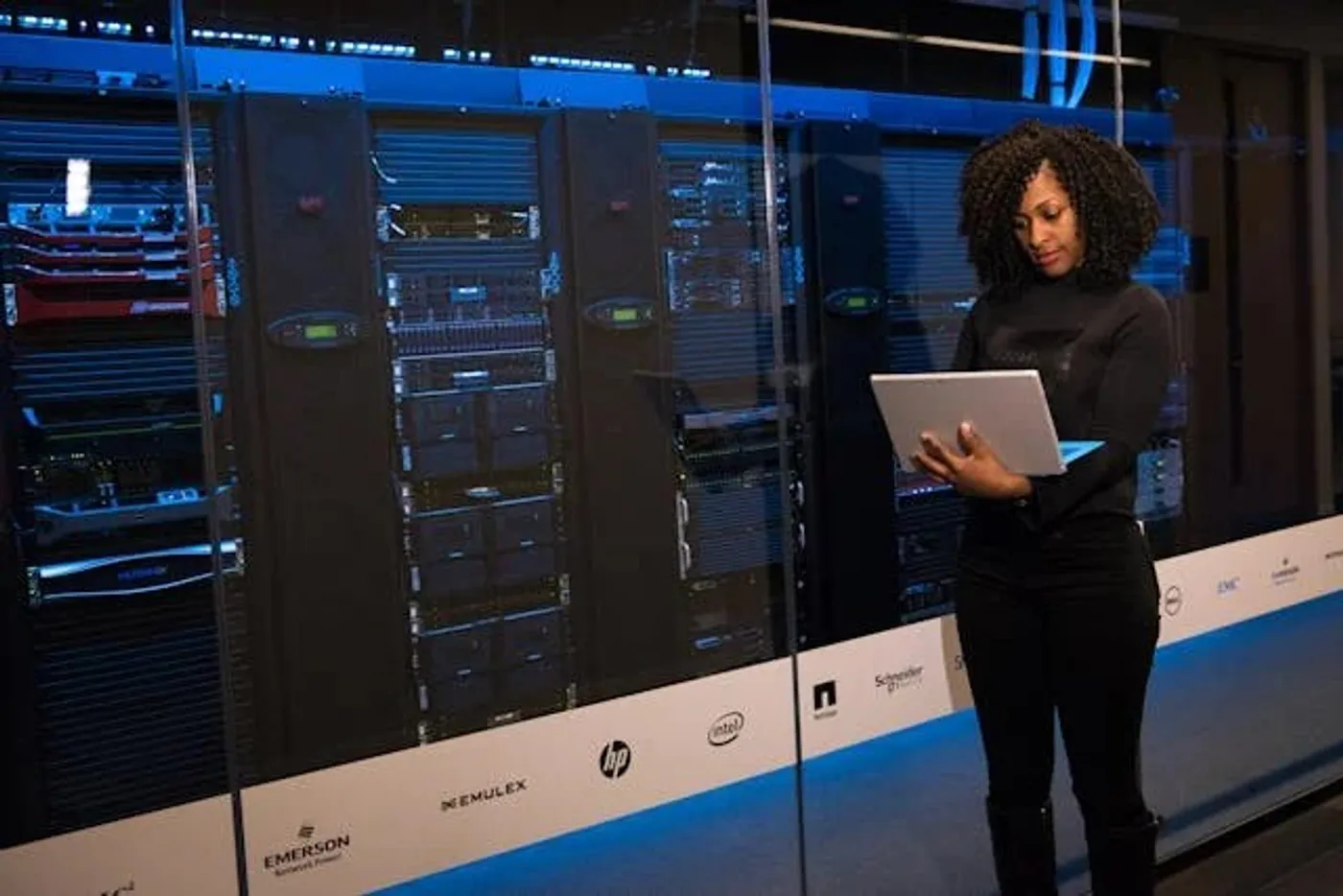
Now, a new phase is emerging: Industry 5.0.
Unlike Industry 4.0, which primarily focuses on automation, connectivity, and data-driven manufacturing, Industry 5.0 places greater emphasis on people, sustainability, and resilience.
What Is Industry 5.0?
Industry 5.0 is an approach to manufacturing that combines advanced technologies with human creativity and decision-making.
Technologies such as artificial intelligence, robotics, Internet of Things (IoT), digital twins, and advanced analytics continue to play an important role. However, humans remain at the center of the production process.
The goal is not simply to replace human workers with machines. Instead, Industry 5.0 aims to create collaboration between humans and intelligent machines.
Human and Machine Collaboration
One of the most important concepts in Industry 5.0 is human-machine collaboration.
Collaborative robots, often called cobots, can work alongside people to perform repetitive, physically demanding, or highly precise tasks. Humans can then focus on activities that require creativity, judgment, problem-solving, and experience.
This combination can create workplaces that are both more productive and more human-centered.
Sustainability at the Core
Industry 5.0 also places sustainability at the heart of industrial development.
Modern manufacturers are increasingly looking for ways to:
- Reduce energy consumption
- Minimize material waste
- Use renewable energy
- Improve resource efficiency
- Build more sustainable products
- Reduce their environmental impact
Technology can help companies monitor resources in real time and identify opportunities to reduce waste throughout the production process.
Resilient Manufacturing
Recent global disruptions have shown how vulnerable complex supply chains can be.
Industry 5.0 encourages companies to build resilient and flexible manufacturing systems. Smart technologies can help businesses monitor supply chains, predict potential disruptions, and respond more quickly to changing market conditions.
A resilient factory is not only efficient during normal operations—it is also capable of adapting when unexpected challenges arise.
The Role of Artificial Intelligence
Artificial intelligence is one of the key technologies supporting Industry 5.0.
AI can analyze large amounts of production data, identify patterns, predict equipment failures, optimize processes, and support decision-making.
However, Industry 5.0 recognizes that technology alone is not enough. Human knowledge and experience remain essential for interpreting information and making responsible decisions.
What Does the Future Look Like?
The factory of the future may look very different from the traditional factory.
Imagine a production environment where workers interact with collaborative robots, AI systems continuously analyze manufacturing data, digital twins simulate production processes, and intelligent systems help reduce energy consumption and waste.
This is the vision behind Industry 5.0: technology working with people rather than simply working instead of people.
Conclusion
Industry 5.0 represents an important evolution in manufacturing. It brings together the strengths of humans and technology while focusing on three major principles: human-centricity, sustainability, and resilience.
As industries continue to adopt advanced technologies, organizations that successfully combine technological innovation with human creativity and responsible practices will be better prepared for the future.
Industry 5.0 is not just about building smarter factories. It is about building a smarter, more sustainable, and more human-centered industrial future.
At Flagman AI, we believe the factories of the future will be built on collaboration between people and intelligent systems.