PPE Is Issued but Not Worn: How Flagman PPE Detection AI Supports Compliance in NSW Manufacturing Without Surveillance Overreach
PPE detection AI for NSW manufacturing: what SafeWork NSW expects, where Flagman verifies PPE is worn in high-risk zones, and how to monitor it lawfully.

In brief
- PPE detection AI matters because personal protective equipment only works when it is worn, fits and suits the task. On a busy line, nobody can check every worker at every station.
- In New South Wales, a person conducting a business or undertaking must provide suitable PPE, train workers in its use and, in SafeWork NSW’s words after an April 2026 incident, implement systems to verify workers wear it.
- Flagman uses AI vision on site cameras to detect missing PPE in defined zones, alert at the point of risk and log time-stamped events for review.
- The outcome is measurable PPE compliance monitoring and better evidence, delivered within NSW workplace surveillance law. It is not a substitute for guarding, separation or the hierarchy of controls.
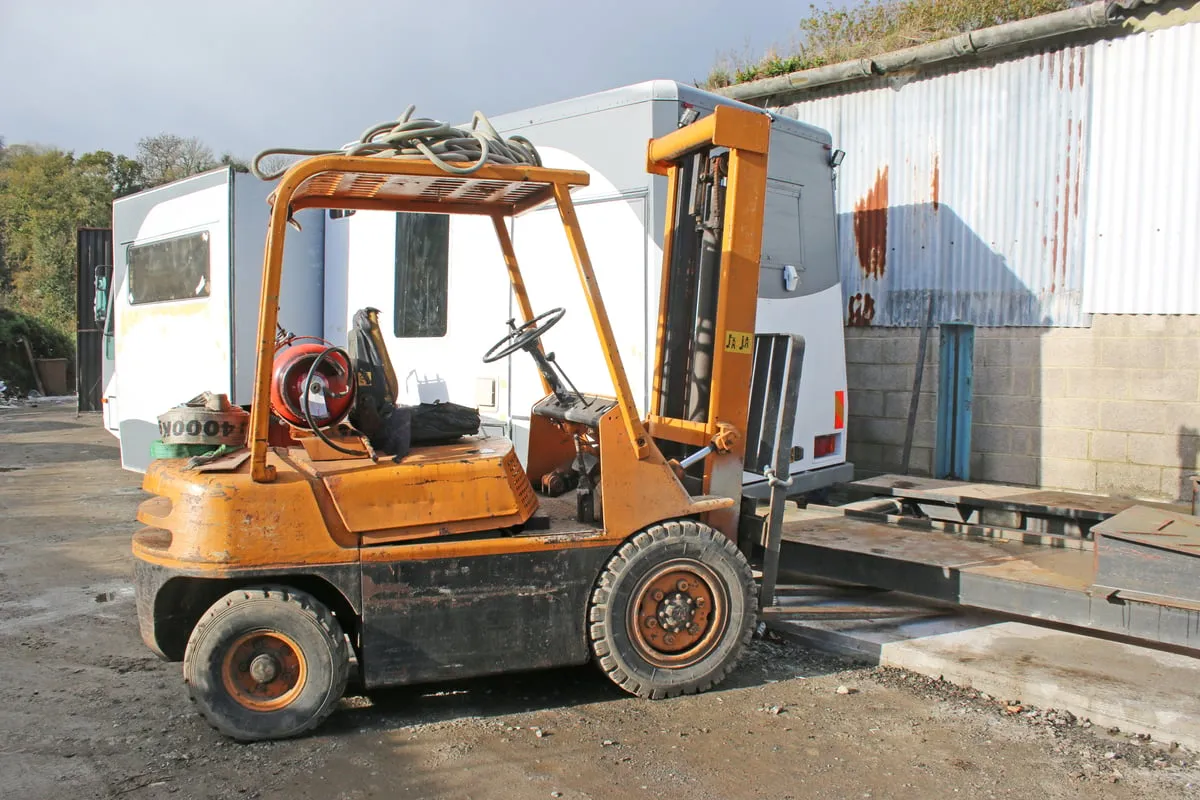
A worker is moving palletised stock with a walkie reach stacker. The pallet is set down, the machine turns while travelling in reverse, and the worker’s right foot is trapped under the skirt of the machine. The worker was wearing a safety boot. It was still a crush injury.
SafeWork NSW published that incident on 19 April 2026. One of its recommended controls is worth reading twice: provide PPE for the tasks, and implement systems to verify that workers wear it. Most manufacturers issue PPE. Far fewer can show, on any given shift, that it is being worn where it matters.
The problem: PPE is issued but not always worn
Manufacturing remains one of Australia’s heaviest injury burdens. Safe Work Australia reports 7 manufacturing worker fatalities in 2024 and 14,800 serious claims in manufacturing in 2023 to 2024 (preliminary), a frequency of 9.4 serious claims per million hours worked.
PPE is rarely the root cause of those injuries. The hazard is the plant, the load or the process. But when the higher order controls are imperfect, PPE is what remains between the worker and the injury. Safety glasses come off because they fog. Hard hats are left on a bench for a “quick job”. High visibility vests are removed in hot weather. Contractors and labour hire workers arrive without the site’s specific items.
SafeWork NSW’s own incident releases show how often PPE appears in its recommended controls. After two serious incidents involving falling glass panels in March and April 2026, one of them fatal, SafeWork NSW listed eye protection, cut-resistant gloves and protective footwear alongside exclusion zones, mechanical lifting aids and restraint of loads.
The requirement: what NSW law expects from employers
Under the Work Health and Safety Regulation 2025 (NSW), PPE sits low in the hierarchy of controls. SafeWork NSW’s PPE fact sheet explains that clause 36(5) requires suitable PPE to minimise the risk that remains after higher order controls. The person conducting the business or undertaking that directs the work must provide PPE at no cost to the worker. Under clause 44(4), workers must receive information, training and instruction on the proper use, wearing, storage and maintenance of PPE before the work begins. Under clause 46, workers must use or wear PPE in line with that instruction and report damage or defects.
SafeWork NSW describes PPE as one of the least effective ways of controlling safety problems, and says it works best with other control measures. It also says PPE must suit the work, fit the person and be properly stored and maintained.
Why existing controls leave a gap
- Supervision is periodic. A supervisor walking the floor sees each station for a few minutes per shift. Non-compliance happens in the other hours.
- Audits are snapshots. A monthly PPE audit records a single day and tells you little about night shift or peak periods.
- Visitors and contractors are the weak point. They are least familiar with site rules and least likely to be challenged.
- There is no trend data. Without records, a site cannot show which zones, shifts or tasks have the most non-compliance, or whether training worked.
The solution: how Flagman PPE detection AI supports compliance
Flagman is computer vision workplace safety software that runs at the edge, on site, with no cloud or internet connection required. It works with ONVIF IP, USB and GMSL cameras, so many plants can begin with cameras already installed over lines, machine cells and entry points.
- Zone-based PPE rules. Each zone gets its own requirement. A press cell may need safety glasses and a hard hat. A forklift aisle may need a high visibility vest. Perleybrook Labs describes Flagman detecting items such as safety glasses, hard hats, vests and boots, and being configurable for site-specific items.
- Alerts at the point of risk. When a person enters a zone without the required PPE, Flagman can trigger a local light or siren, notify a supervisor, or send a relay output.
- Integration with machine controls. Over Modbus, PROFINET or relay outputs, Flagman can send a signal that the machine’s control system uses, for example to hold a start permissive until PPE is confirmed, where the plant’s controls allow it.
- Time-stamped event logs. Each event is recorded with video on a central dashboard, so trends can be reviewed by zone, shift and camera.
The same cameras can support other controls. For hand protection at saws and rollers, see how Flagman hand and finger detection strengthens guarding. For walkie stackers and pedestrian-operated plant, read deploying Flagman the way SafeWork NSW recommends.
Limitations: what Flagman cannot do
- PPE detection does not make a hazard safe. The walkie stacker incident happened to a worker wearing a safety boot. Guarding, separation, isolation and traffic management remain the primary controls.
- Cameras can only see what is visible. Earplugs, glove ratings, respirator fit and whether glasses meet the right standard cannot be confirmed by vision alone. Fit testing and PPE selection stay with your WHS team.
- Detection quality depends on camera angle, distance, lighting and obstruction. Every zone must be validated on site before alerts are relied on.
- Flagman has no published Safety Integrity Level or Performance Level rating. Any machine interlock must be designed by a competent person under your plant’s functional safety approach.
- Alerts that fire too often get ignored. Rules need tuning with operators before go-live.
Monitoring PPE without surveillance overreach
PPE detection is camera surveillance of workers, and NSW law treats it that way. The Workplace Surveillance Act 2005 (NSW) requires written notice to employees at least 14 days before surveillance starts, stating the kind of surveillance, how and when it will operate, and whether it is continuous or intermittent. Cameras must be clearly visible and signs must be displayed at each entrance to the area.
Good practice goes further. Use Flagman’s default people, vehicle and PPE detection rather than identifying individuals. Keep audio off. Set retention periods for video events. Use events for coaching, training and fixing systemic issues such as uncomfortable PPE, rather than for discipline by default. Consult workers and health and safety representatives before go-live, as the WHS Act requires.
Predictive maintenance: equipment condition drives PPE risk
PPE requirements often exist because plant can fail. Worn guards, leaking hydraulics, failing extraction and tools that throw fragments raise the risk that PPE is the last thing protecting a worker. In the walkie stacker release, SafeWork NSW also recommends inspections and maintenance by a competent person in line with the manufacturer’s instructions, including pre-operation checks, with records kept.
Plants that track equipment condition can predict where PPE risk will rise: a press overdue for service, a dust collector losing suction, a stacker with a recurring fault. Comparing maintenance history and downtime with PPE events shows whether non-compliance clusters around faulty or uncomfortable equipment.
Sharktech Global builds Business Intelligence dashboards that bring maintenance, downtime and safety data together, including Flagman events, so production and WHS managers work from one view.
A practical plan for PPE compliance monitoring
- Review your risk assessments. Confirm which tasks truly require PPE and whether higher order controls can reduce that need.
- Fix comfort and fit. Ask workers why PPE is removed. Fogging, heat and poor fit are common and fixable.
- Define zones and rules. Map each zone’s PPE requirement and the cameras that cover it.
- Consult and give notice. Consult workers and representatives, then issue written surveillance notice at least 14 days ahead and install signs.
- Pilot two or three zones. Record a baseline, tune alerts with operators and validate detection.
- Review weekly. Look at events by zone and shift alongside maintenance data, then adjust training, equipment or layout.
The outcome you can measure
- Alerts at the point of risk when a person enters a zone without required PPE.
- A before and after comparison of PPE events against your pilot baseline, by zone and shift.
- Records that show your PPE system is verified, not just issued, for boards and SafeWork NSW inspectors.
Flagman in Australia: local delivery by Sharktech Global
Sharktech Global, based in Liverpool, New South Wales, is the exclusive Australian and New Zealand delivery partner for Perleybrook Labs. Sharktech Global assesses sites, installs and integrates Flagman with existing cameras and machine controls, and provides local business-hours support. Learn more about Sharktech Global’s manufacturing technology services.
Key takeaways
- PPE is the lowest control in the hierarchy, but where it is required, NSW employers must provide it, train in it and, as SafeWork NSW now recommends, verify it is worn.
- Flagman PPE detection AI adds zone-based alerts and time-stamped records on existing cameras.
- It cannot confirm hidden PPE, fit or ratings, and it never replaces guarding, separation or isolation.
- Deploy it lawfully: consult, give 14 days’ written notice, keep cameras visible and display signs.
Next step
Request a Flagman safety assessment or call Sharktech Global on 0468 017 373.
Sources: SafeWork NSW, Warehouse worker’s foot crushed by skirt of pedestrian-operated lift truck (19 April 2026); SafeWork NSW, Serious injuries involving falling glass panels (20 April 2026); SafeWork NSW, Personal protective equipment; SafeWork NSW, PPE fact sheet for host employers; NSW Parliament, Workplace Surveillance Act 2005 (as passed); Safe Work Australia, Key Work Health and Safety Statistics Australia 2025. This article is general information only and is not legal advice. Seek advice specific to your site and jurisdiction.