Haul Trucks and Light Vehicles Still Collide at NSW Mines: Where Flagman Detection Adds a Layer of Control
A haul truck and light vehicle collided at a NSW mine in September 2026. What the Resources Regulator expects for vehicle interaction controls and where Flagman detection helps.
In brief
- The problem: a haul truck and a light vehicle collided at a T-intersection at a NSW surface mine in September 2026. Roads and other vehicle operating areas were linked to 77 incident notifications in NSW mines between April and June 2026.
- The requirement: the NSW Resources Regulator expects principal hazard management plans for vehicle operating areas to be reviewed when traffic flows change, and no route change to start until controls are field verified and signed off.
- The gap: intersections, go-lines, workshops and park-up areas change often and depend heavily on radio calls, signage and visibility.
- The outcome: Flagman fixed-camera detection adds alerts and near miss evidence at the light and heavy vehicle interaction points where mines need to prove their controls work.
A shift change at an open cut mine in the Hunter Valley. Light vehicles head to the go-line, haul trucks queue for the workshop, and a contractor’s ute takes a new route because the haul road was realigned yesterday. The traffic plan was updated. The question is whether every control on the ground was updated with it.
That question sits at the centre of the NSW Resources Regulator’s latest vehicle safety alert. This article sets out what is happening in NSW mines, what the regulator expects, and where Flagman can make a practical difference without overstating what any detection system can do.
The problem: vehicle interaction in NSW mines
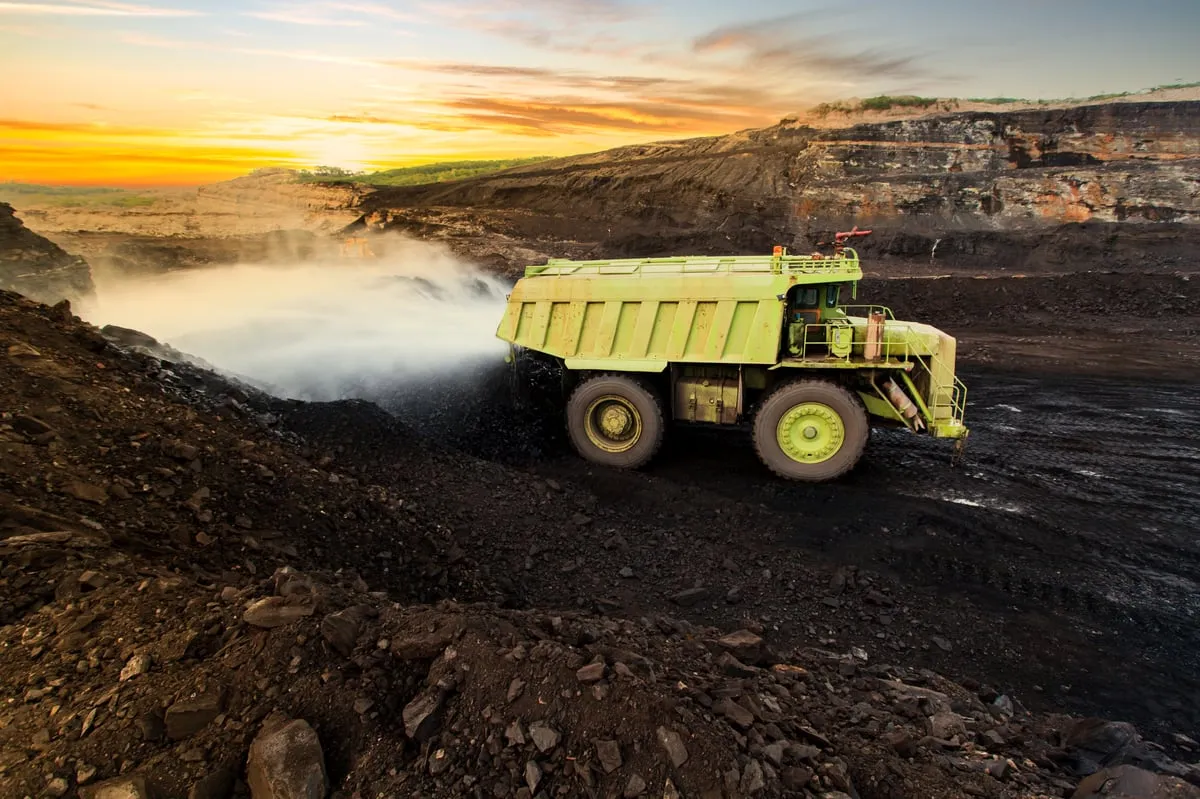
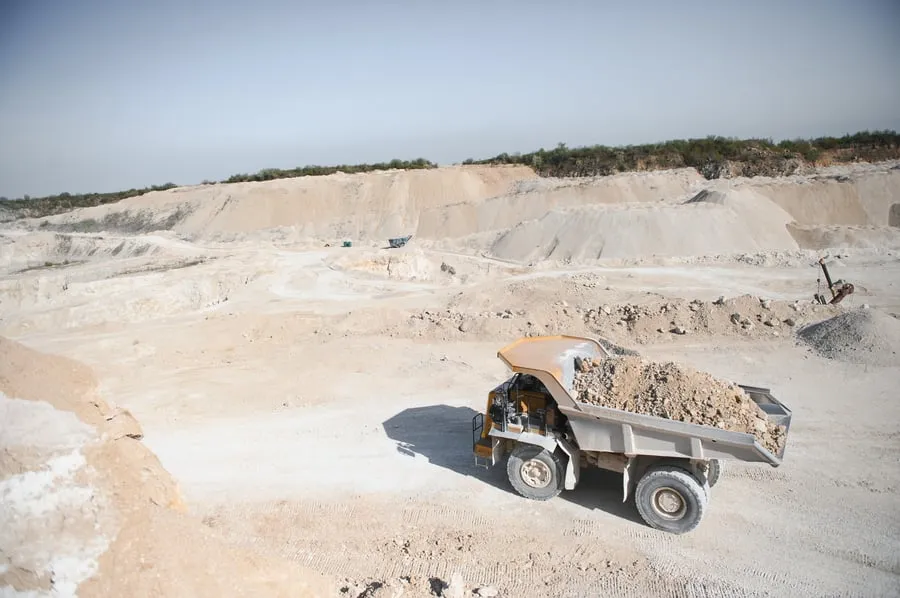
On 24 September 2026, the NSW Resources Regulator issued safety alert SA26-06 after a haul truck and a light vehicle collided at a T-intersection at a surface mine. Neither operator was injured. The regulator identified a lack of radio communications, incorrect vehicle safety equipment and sun glare obstructing visibility as contributing factors.
The regulator’s quarterly safety report for April to June 2026 shows the wider picture. NSW mines lodged 540 incident notifications in the quarter, including 28 serious injuries or illnesses and 97 dangerous incidents. Roads or other vehicle operating areas were the principal hazard in 77 notifications. Cases described in the report include a light vehicle rolling on a watered road, a light vehicle reversing over an embankment and a haul truck near miss with a grader. Inspectors issued 624 safety notices in the same quarter.
Vehicles also feature in most worker deaths nationally. Safe Work Australia reports that at least one vehicle was involved in 66 per cent of Australian worker fatalities in 2024, and mining recorded 10 fatalities that year, 39 per cent above its five-year average.
The requirement: what the NSW Resources Regulator expects
Roads or other vehicle operating areas are a principal hazard under NSW mining work health and safety laws. Mines must manage the hazard through a principal hazard management plan. In SA26-06 the regulator calls on operators to:
- Review and update principal hazard management plans for vehicle operating areas after any change to onsite traffic flow.
- Not commence any route change until controls are field verified and signed off.
- Review the regulator’s technical reference guide for surface roads and other vehicle operating areas.
Collisions between vehicles are notifiable dangerous incidents in NSW mines, and the regulator’s assessments regularly test whether controls are working in the field, not just written in a plan. We covered similar expectations in Western Australia in WA Mines Must Now Consider Collision Avoidance.
Why existing controls leave a gap
- Procedural controls carry most of the load. Radio calls, give-way rules and speed limits only work when every driver follows them every time.
- Visibility changes by the hour. Sun glare, dust and night shifts change what a driver can see at the same intersection.
- Layouts change constantly. Haul roads, ramps and laydown areas move as the pit advances, and signage and controls lag behind.
- Near misses go unseen. A close call at an intersection is rarely reported unless someone is hurt, so the plan is never tested against reality.
Where Flagman can make a difference
Flagman is not a certified collision avoidance system for haul trucks, and it should not be positioned as one. Its value in mining is at fixed interaction points, where cameras can be mounted and the same hazard repeats every shift:
- Intersections and crossings: fixed cameras detect light vehicles, heavy vehicles and people approaching a defined zone and trigger local beacons, sirens or voice alerts.
- Workshops, go-lines and park-up areas: Flagman detects people on foot near moving plant in the areas where light and heavy vehicle interaction is most frequent.
- Restricted zones: virtual zones around tyre bays, wash bays and crusher feed areas alert when a person or vehicle enters without authorisation.
- Machine response where controls allow: relay outputs and programmable logic controller integration can trigger gates, lights or slow and stop signals on fixed plant.
- Field verification evidence: every detection is logged with time-stamped video. After a route change, the mine can see whether vehicles and people are behaving as the plan assumes.
- Built for site conditions: the Flagman Neo edge device is rated IP69K for minus 20 to plus 80 degrees Celsius and processes video on site without internet.
Limitations: what Flagman does not replace
Flagman does not replace segregation of light and heavy vehicles, berms, positive communication, certified collision avoidance or proximity detection systems on mobile plant, or the principal hazard management plan. It is not certified for hazardous areas and must not be used in underground coal or other explosive atmospheres. Camera performance depends on line of sight, dust, glare and lighting, so each location must be assessed. Deployment should follow a risk assessment and consultation with the workforce.
The maintenance link: vehicle safety equipment and plant condition
SA26-06 names incorrect vehicle safety equipment as a contributing factor. In mining, the condition of plant and its safety systems is a vehicle interaction control in its own right. Beacons, flags, cameras, radios and brakes that fail between inspections leave a gap that no traffic rule can close.
Mines that move from fixed-interval servicing towards predictive maintenance use defect reports, pre-start results, maintenance backlog and equipment availability data to find failing components before they cause an incident. Sharktech Global builds Business Intelligence dashboards for mining operations that bring maintenance, fleet, timesheet and safety data together, including Flagman events, so safety and maintenance teams work from the same picture.
A field verification lesson from critical infrastructure
Dainu Devis, CEO of Sharktech Global, spent more than seven years across the NBN rollout and Telstra critical infrastructure, including as Area Manager for Telstra critical infrastructure facilities in New South Wales, through Ventia on the Telstra InfraCo contract (2021 to 2025). Across more than 2,200 sites, that portfolio recorded zero health, safety and environment incidents. The same discipline applies on a mine road: a control only counts once it has been checked in the field. Read more about Dainu’s background.
A practical plan for NSW mine sites
- Map every light and heavy vehicle interaction point, starting with intersections, go-lines and workshops.
- After every route change, field verify signage, berms, lighting and communication before traffic starts.
- Add fixed-camera detection at the highest-risk interaction points to capture near misses.
- Review detections weekly against the principal hazard management plan.
- Track vehicle safety equipment defects and close them before vehicles return to service.
Flagman in Australia: local delivery by Sharktech Global
Sharktech Global is the exclusive Australian and New Zealand delivery partner for Perleybrook Labs, the developer of Flagman. It assesses mine sites, installs and integrates Flagman, and provides local support, alongside managed IT and Essential Eight cybersecurity assessments for offices, workshops and camps. Details of its mining safety, managed IT and data services are on the Sharktech website.
The outcome you can measure
- Alerts at intersections and interaction points at the moment of risk.
- Near miss counts by location and shift, captured automatically.
- Video evidence that controls were field verified after route changes.
- Vehicle safety equipment defects tracked alongside safety events.
Key takeaways
- Vehicle interaction remains one of the most frequently notified hazards in NSW mines.
- The regulator expects controls to be field verified, especially after route changes.
- Flagman adds detection and evidence at fixed interaction points, not on haul trucks.
- Plant and safety equipment condition is part of vehicle interaction control.
Next step
Request a Flagman safety assessment to map your site’s vehicle interaction points, or call Sharktech Global on 0468 017 373.
See also: Near Misses Go Unreported: How Flagman Turns Close Calls into Safety Data.
Sources: NSW Resources Regulator, Haul truck and light vehicle incident safety alert SA26-06 (September 2026); NSW Resources Regulator, Quarterly safety report April to June 2026; Safe Work Australia, Key Work Health and Safety Statistics Australia 2025. This article is general information only and is not legal advice.